
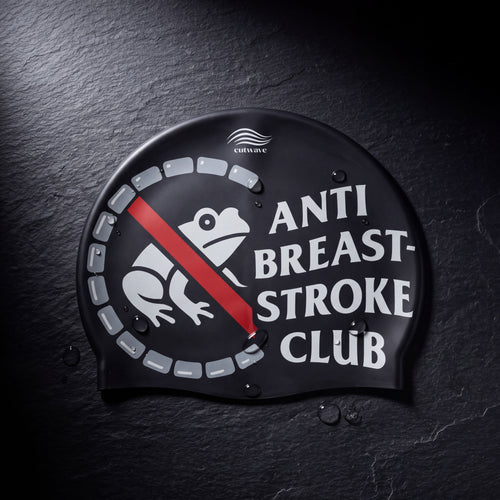
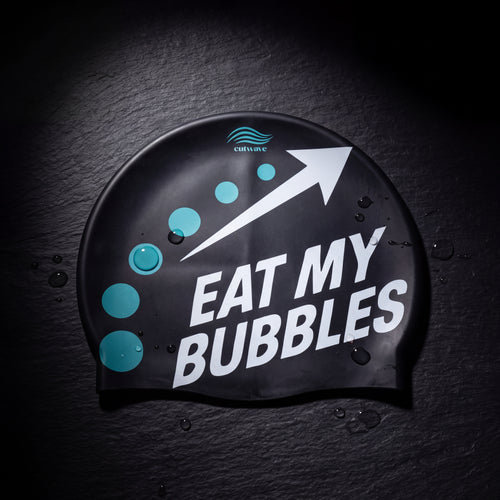
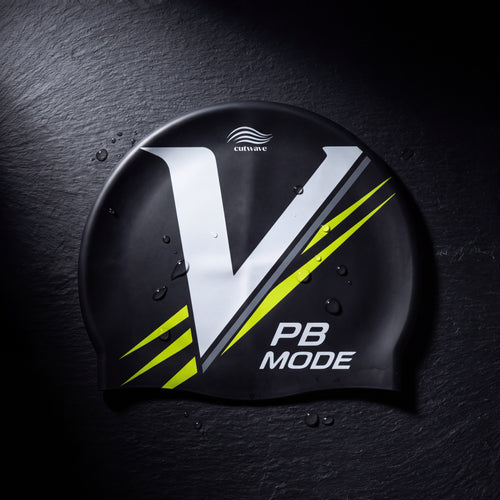


Chlorine is part of lap swimming: it keeps the water clean, but it can dry out hair and the scalp and make coloured hair fade faster. Do swim caps protect hair from chlorine? A cap can reduce direct chlorine contact, but no ordinary cap leaves hair completely chlorine-free or dry. This guide explains what a cap does and the simple routine to use around swimming.
The key points
- Reduce contact: A silicone cap can reduce direct contact between chlorinated water and hair, but it is not waterproof and does not keep hair completely dry.
- Start before the cap: Wet hair with clean water before swimming and work in a little conditioner or leave-in product. Saturated hair takes up less chlorinated water.
- Material affects water entry: Silicone has a water-resistant surface; fabric caps let water through more readily. Fit still matters.
- Rinse after swimming: Rinsing thoroughly right after training removes pool water from the hair.
- Long hair needs more care: If you have long or coloured hair, combine a cap, preparation, and the right cap for long hair.
What a swim cap does around chlorine
A swim cap is not a seal. Water can enter around the edges, especially during turns and dives. A well-fitted silicone cap can still provide:
- Less direct chlorine contact: Most of your hair is held under the cap instead of sitting freely in chlorinated water.
- Less movement in the water: Hair held together can rub and tangle less, which is useful for long hair.
- Part of a colour-care routine: A cap can reduce direct exposure for coloured hair, but it does not guarantee that colour will last longer.
- A clear face: Hair stays out of your view, so there is less to move away at the wall.
A cap does not keep hair completely dry or make it chlorine-free. The guide Do Silicone Swim Caps Keep Hair Dry? covers how much water a cap can realistically keep out.
A simple chlorine-care routine
Use a cap plus four simple steps:
- Wet hair first: Soak your hair under the shower with clean water. Wet hair takes up less chlorinated water because it is already saturated.
- Add a layer of care: Work a small amount of conditioner or leave-in product into the lengths if your pool allows it.
- Put the cap on correctly: Gather the hair and pull the cap over the roots. A close fit can reduce water entry; the How to Put On a Swim Cap guide explains the steps.
- Rinse immediately afterward: Right after swimming, rinse the hair thoroughly with clean water. Use a mild shampoo if that suits your hair routine.
The cap is one part of hair care. Preparation and rinsing still matter after every session.
Which material affects chlorine exposure?
Not every cap handles water in the same way. The difference comes down to material and fit:
- Silicone: Flexible with a water-resistant surface and a common choice for regular training. CutWave caps are made from 100% premium silicone.
- Latex: Thin and stretchy; how much water gets in depends on the cap and its fit. Avoid latex if you need a latex-free option.
- Lycra or fabric: Comfortable and water-permeable; it lets more water through and is sometimes used as an under-cap for comfort.
The Swim Cap Material Guide: Silicone, Latex, and Lycra explains which material suits which swimmer. If reducing water entry is your aim, start with a suitable silicone cap and check the fit.
Fit matters too
Even a silicone cap offers limited coverage if it is too loose or moves, because water can enter at the edges. Two things help:
- Right size: Silicone stretches and fits many adults without exact head measurements; use the Swim Cap Size Guide if you are unsure.
- Careful fitting: If the cap moves, check size and technique. Causes and fixes are in Swim Cap Keeps Slipping?.
Some swimmers with long hair try wearing two caps for extra stability. The lower one holds the hair and the upper one covers the goggle straps, although this does not create a watertight seal.
Which CutWave cap for chlorine care?
For a practical chlorine-care routine, material, fit, and preparation work together:
- For frequent swimmers: Every CutWave cap is made from 100% premium silicone. Choose the design you will reach for at training.
- For two-cap swimmers: The Duo Pack gives you two designs for EUR 27.99 and saves EUR 1.99.
- For character on the pool deck: Browse all designs in the swim cap collection. Function and personality can coexist.
What a cap cannot do
No ordinary swim cap is completely waterproof, keeps hair completely dry, or makes it chlorine-free. It can reduce chlorine exposure, not eliminate it. Combine the cap with wetting and conditioning the hair before swimming and rinsing thoroughly afterward.
Takeaway: cap plus routine
A swim cap reduces direct chlorine contact rather than sealing the hair. A practical setup is a silicone cap plus a short routine: wet and condition the hair first, put the cap on correctly, and rinse immediately afterward. CutWave caps are designed for adults, designed in Austria, and made from 100% premium silicone. Browse the collection, choose the Duo Pack for two designs and EUR 1.99 savings, or see the Swim Caps & Silicone Swim Caps page.
For more hair-care guidance, see the American Academy of Dermatology's summer hair-care advice. Follow your pool's rules on pre-swim hair products.
Frequently Asked Questions
Do swim caps protect hair from chlorine?
Partly. A close-fitting silicone cap can reduce direct contact between chlorinated water and hair, but it is not waterproof. Hair will not stay completely chlorine-free or dry under an ordinary cap. The most useful routine combines a cap, preparation, and thorough rinsing after swimming.
How can I best protect my hair from chlorine?
Wet your hair with clean water before swimming and work in a little conditioner or leave-in product if your pool allows it. Put on a well-fitting silicone cap and rinse the hair thoroughly right after training.
Which cap material affects chlorine exposure most?
A silicone cap has a water-resistant surface and is a common choice for regular training. Fabric caps are more water-permeable, while the fit of any cap affects how much water reaches the hair. CutWave caps are made from 100% premium silicone.
Does hair stay dry under a swim cap?
No, not completely. Water can get around the edges, especially during turns and dives. A well-fitted silicone cap can reduce chlorine contact, but it does not make hair completely dry.
Can a swim cap help with faded or coloured hair?
It can reduce direct chlorine contact as part of a hair-care routine. It cannot guarantee that colour will fade more slowly. Preparation and rinsing are still useful steps.