



Silicone, latex, or Lycra: for swim caps, also called swimming hats or bathing caps, the material affects feel, water entry, and care. Many regular swimmers start with a silicone swim cap, but one material does not suit every head or training routine. This guide compares the three common materials and their trade-offs.
Quick overview: silicone, latex, or Lycra?
If you are in a hurry, here is the short version:
- Silicone: flexible, smooth, latex-free, and a common choice for regular training.
- Latex: thin and light, often lower-cost, but unsuitable for anyone who needs to avoid latex.
- Lycra or fabric: comfortable and water-permeable, with a looser feel than silicone or latex.
No ordinary swim cap is completely waterproof. Even a well-fitted silicone cap can leave hair damp because water can enter around the edges.
Silicone or latex swim cap?
When people compare silicone or latex, the useful question is how they swim and what they want from the cap. Silicone has a flexible, smooth surface and is latex-free, so it is a common starting point for regular training. Latex is thin, light, and often lower-cost, which can suit occasional swimming. Fit, comfort, and how the material feels on your head should decide the choice.
Silicone swim cap: the all-rounder
Silicone is a practical option for swimmers who want a flexible cap for regular pool use:
- Flexible surface. The material can be stretched over the head and positioned around the hair.
- Latex-free. Useful for swimmers who need to avoid latex.
- Simple care. Rinse it after swimming, let it air dry, and store it away from direct sun.
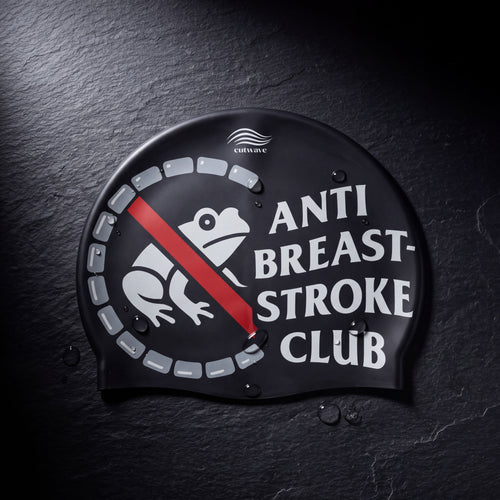
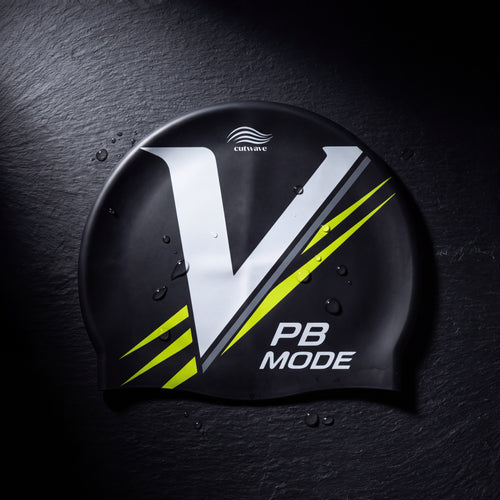
CutWave caps are made from 100% premium silicone and designed in Austria. For a broader comparison, see the Swim Cap Material Guide: Silicone, Latex, and Lycra.
Latex swim cap: thin and light
Latex caps are thin, light, and often lower-cost. Some swimmers like that light feel. Check the cap for wear as you use it, and do not choose latex if you need a latex-free option. The guide Do Swim Caps Protect Hair from Chlorine? explains how material and fit affect water entry. For occasional use, latex may be enough; for regular training, compare the feel with silicone before choosing.
Lycra and fabric caps: comfort over water resistance
Lycra or fabric caps have a soft, comfortable feel and are easy to put on. They let water through more readily and can sit more loosely, so they suit swimmers who value comfort over a close water-resistant surface. Some swimmers use fabric as a lower layer under silicone. For more on that setup, see Why Do Swimmers Wear Two Caps?.
Which material suits which swimmer?
A rough guide:
- Regular training and competition: Start with silicone if you want a flexible, latex-free cap and a close-fitting surface.
- Long hair: Choose a material and size that let you arrange the hair flat; the Best Swim Cap for Long Hair guide explains the setup.
- Comfort first: Consider Lycra or fabric, either alone or as a lower layer.
- Occasional swimming: Latex may suit you if a light, lower-cost option is the priority and latex is appropriate for you.
Alongside material, size and fitting technique shape how a cap feels. If your cap moves, see Swim Cap Keeps Slipping? What Helps.
What to look for when buying
- Material: For regular swimming, compare silicone, latex, and fabric by feel and water entry.
- Size: Choose a close fit without painful pressure. See the Swim Cap Size Guide.
- Latex-free: Check the material if you need to avoid latex.
- Care: Rinse after swimming, air dry, and do not store in direct sunlight.
Which CutWave cap?
All CutWave models are made from 100% premium silicone, so the choice is mainly about design. Browse the swim cap collection; the overview page is Swim Caps & Silicone Swim Caps.
If you want several designs or swim with someone else, the Duo Pack lets you choose any two caps for EUR 27.99 and save EUR 1.99. CutWave caps are designed in Austria and shipped across the EU, with free EU shipping over EUR 24.99.
Frequently Asked Questions
Is a silicone swim cap better than latex?
For regular training, many swimmers choose silicone for its flexible surface and latex-free material. Latex is thin, light, and often lower-cost, so it can suit occasional swimming. Fit and personal comfort still decide the choice.
Does a silicone cap keep hair dry?
It can reduce direct contact with pool water, but it cannot guarantee dry hair. No ordinary swim cap is completely waterproof, and a good fit does not stop water entering around every edge.
Which material feels gentlest on long hair?
Lycra or fabric can feel soft around hair but lets more water through. Silicone is another option when you want a flexible cap with a smoother surface. Size and how you arrange the hair still matter.
Are CutWave caps latex-free?
Yes. CutWave swim caps are made from 100% premium silicone and contain no latex.
How should I care for a silicone swim cap?
Rinse it with clean water after swimming, let it air dry, and store it away from direct sun. Hand wash gently when needed.