

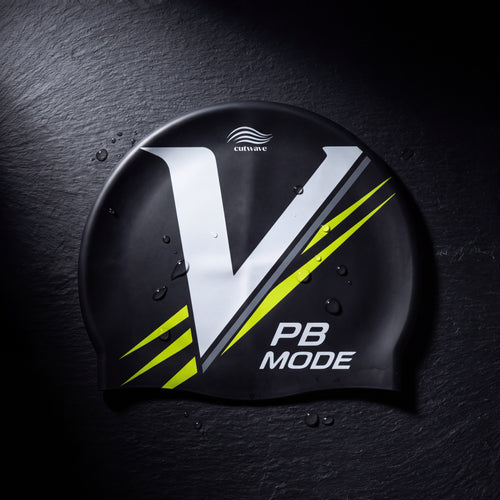


Artistic swimmers often wear a regular swim cap during training, but they may use different hair preparation or a team headpiece for figures and competition routines. There is no single cap rule for every session: the coach, club kit list and current event regulations decide what belongs in the pool.
If you are joining your first artistic swimming class, ask whether the club wants you to bring a plain, well-fitting cap. Do not buy elaborate competition hair pieces or assume that ordinary lap-swimming kit will be allowed in a routine. Ask the coach what is required for training, figures, warm-up and the event itself. The World Aquatics artistic swimming hub explains the discipline, while the current World Aquatics Competition Regulations are the sensible place to check international competition rules rather than relying on an old checklist.
Training Caps and Competition Hair Serve Different Jobs
A normal pool session is for practising the skills and routine elements set by the coach. Where the club requires one, a practical training cap keeps the swimmer in the specified team kit. It is ordinary training equipment, not automatically the headwear used for a judged routine.
A competition routine adds presentation and team uniformity. Hair, headwear and accessories may form part of the approved team look, so the familiar silicone cap used at practice may not be the item worn during the routine. That does not mean artistic swimmers never use caps. It means the answer changes with the session.
A useful real-world example comes from Portsmouth Victoria Artistic Swimming Club's kit requirements. Its pool-training list includes a club hat, goggles and nose clips. Its grade-day pool-figures list specifies a plain white hat, while its competition pool kit lists a team costume, neutral nose clip and hair piece. Those are that club's requirements, not a universal rulebook, but they show why “Do artistic swimmers wear caps?” cannot be answered with a flat yes or no.
| Session | What may be used | Who decides |
|---|---|---|
| First lesson | Plain training cap, swimsuit and goggles if requested | Coach or club welcome information |
| Regular training | Club cap or another approved training cap | Club kit policy |
| Figures or grade assessment | Specified plain cap and other standard kit | Assessment rules and club instructions |
| Competition warm-up | Team-approved warm-up kit | Event and team instructions |
| Competition routine | Approved hairstyle, costume and possibly a headpiece | Current event rules and coach |
What to Bring to a First Artistic Swimming Session
Keep the first bag boring. Artistic swimming already asks you to learn unfamiliar movements; this is not the moment to arrive with twelve speculative accessories and a small sporting-goods warehouse.
- A plain swim cap: choose one that fits securely without causing a headache. If the club specifies a colour or branded cap, follow that instruction.
- A suitable swimsuit: use the training suit requested by the club rather than a performance costume.
- Goggles: many training sessions use them, but the coach may remove them for routine practice.
- A nose clip: the Portsmouth club checklist includes nose clips for pool training, but your own club may specify a different style or colour. Ask whether a spare is expected.
- Towel, water bottle and warm layers: follow the venue and club checklist.
- Long-hair basics: bring the ties or clips approved by the coach, with no sharp parts under the cap.
If your club has not sent a kit list, ask before purchasing. A cap that fits your head correctly is a better starting point than guessing from an adult or junior label. For younger swimmers, the practical checks in our kids' lesson cap guide also help with comfort and independent use.
How to Choose a Cap for Artistic Swimming Training
For ordinary practice, choose for repeatable fit and easy handling rather than stage appearance. The cap should cover the hair the coach wants contained, stay comfortable through a full session and be simple enough for the swimmer to put on without fingernails digging into the material.
- Confirm the required colour. Team uniform can matter even at training. A technically suitable cap is still the wrong cap if the session requires the club design.
- Check the fit on the actual hairstyle. A low bun, braids or thick curls change how much room is needed. Do not force a standard cap over a hairstyle it cannot contain comfortably.
- Practise before the first full session. Use the two-hand method in our step-by-step cap guide. Keep nails away from the surface and tuck loose sections gradually.
- Separate practice gear from performance kit. Label the bag so a training cap does not replace a required figures cap or get mixed into carefully prepared competition items.
- Rinse and air-dry it after training. Follow the care instructions for the material and store the cap away from sharp clips.
If the club allows a standard silicone training cap, you can browse CutWave's silicone swim caps. That is a training option, not a claim that a CutWave cap meets every artistic-swimming competition rule. The coach and event documents get the final word.
Four Checks Before a Grade Day or Competition
First, identify the session. “Competition day” can include land warm-up, pool warm-up, figures and a routine. One kit list may not cover all four.
Second, use the newest documents. Governing-body rules and event bulletins can change. Check the current World Aquatics material where applicable, then the national federation, organiser and club instructions. A screenshot from last season is not a rules department.
Third, separate mandatory from optional. Ask whether the cap colour, nose clip colour, hairstyle or headpiece is required, permitted or merely common. Those are different categories, despite the best efforts of pool-deck folklore to merge them.
Fourth, test the complete setup. Practise the approved hair and headwear before the event and let the coach correct kit problems during training rather than immediately before the routine.
Common Mistakes to Avoid
- Assuming competition photos show training kit. The polished routine look is not necessarily what swimmers wear for daily drills.
- Copying another club. Their white figures cap, logo or hair piece may reflect a policy that does not apply to your event.
- Buying before asking. Team kit can be supplied, ordered through the club or restricted to specific colours.
- Treating goggles and caps as one rule. A coach may allow both in stamina work, one in figures practice and neither in a routine.
- Hiding fit problems. A cap that causes pain or repeatedly rolls up needs a fit check, not heroic tolerance.
- Using sharp hair accessories under silicone. Pins and clips can damage a cap or make the setup uncomfortable. Follow the coach's hair instructions.
FAQ: Artistic Swimming Caps and Competition Kit
Do artistic swimmers wear swim caps in training?
Often, yes. A club may require its own training cap or a plain cap, especially when it wants consistent kit and contained hair. Requirements vary, so the club checklist outranks a generic recommendation.
Do artistic swimmers wear caps at competitions?
It depends on the competition phase and event rules. Figures or assessments may specify a plain cap, while a routine may use an approved hairstyle and team headpiece instead. Check the current event documents and coach's instructions.
Can I wear a normal silicone cap to artistic swimming practice?
Usually only if the club allows it. A regular silicone cap can be practical training equipment, but colour, logo and team-uniform rules may apply. Confirm before buying or arriving.
Do artistic swimmers wear goggles with a cap?
They may use goggles and a cap for some training sessions. Routine practice and competition can use different equipment. Bring goggles to a first session if the club requests them, then follow the coach's direction in the water.
What should I ask the coach before my first session?
Ask which cap colour is required, whether goggles and a nose clip are needed, how long hair should be secured, and whether the club supplies any team kit. Also ask if training, figures and competition each have separate requirements.