

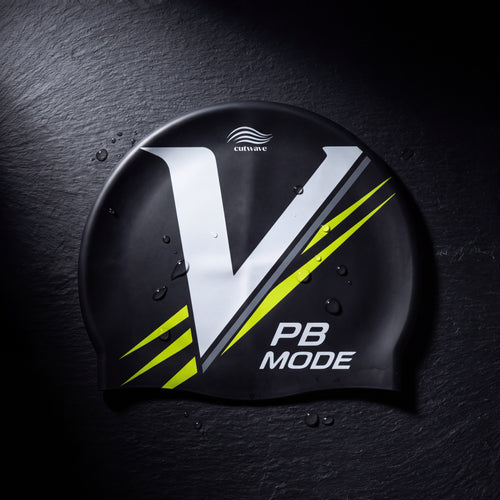


You can wear a shower cap in a pool, but it is not a practical substitute for a swim cap when you are doing laps, taking lessons or moving actively in the water. A shower cap is made to cover hair during a shower; a swim cap is shaped to fit close to the head during swimming. For a brief paddle a shower cap may be an acceptable temporary hair covering if the pool allows it, but for actual swimming, use a purpose-made swim cap.
The key difference is not whether both products can get wet. It is whether the cap is designed to stay close to your head while you push off, turn, breathe and move through water. This guide compares the two without promising that either one will keep your hair completely dry.
Shower cap vs swim cap at a glance
| Question | Shower cap | Swim cap |
|---|---|---|
| Main job | Covers hair during showering or bathing | Holds hair and creates a close fit for swimming |
| Typical shape | Roomy cover with a gathered elastic opening | Stretchy shell shaped around the head |
| Movement | Designed for standing or limited movement | Designed for repeated movement in water |
| Hair volume | Often roomy, but loose volume can shift | Standard and long-hair shapes are available |
| Pool acceptance | Depends on the facility; may not count as a swimming cap | Normally the expected item when a pool requires a cap |
| Keeps hair dry? | No guarantee once submerged | No ordinary swim cap keeps every strand dry |
If you need a cap for lessons or regular training, the decision is uncomplicated: choose a real swim cap. If a facility's wording is unclear, read why pools require swim caps and what their rules may mean, then ask that pool whether its policy accepts anything other than purpose-made swimming headwear.
What a shower cap is designed to do
A shower cap is a hair-covering accessory for showering, bathing and humid bathroom conditions. Current shower-cap product designs commonly pair a moisture-resistant outer layer with an elastic opening; some add a fabric or satin lining. They are marketed to cover styled, long or curly hair in the bathroom, where a roomier crown can be useful.
That design makes sense in a shower. Water mostly falls from above, the wearer stays upright, and the cap does not need to cope with a push-off from the wall or repeated head rotation. The loose crown is a feature in that setting because it avoids flattening a hairstyle.
In a pool, spare material and a gathered edge still have to cope with water moving across the cap during a push-off, turn or breath. That is not the fit those products are sold to provide. This does not mean every shower cap instantly falls off. It means its construction solves a different problem, so any success in the pool is a workaround rather than the product's intended job.
How a swim cap is different
A swim cap is shaped to stretch around the head with much less spare material. Silicone, latex and fabric caps behave differently, as explained in our swim cap material comparison, but all are sold as equipment for use while swimming.
A regular silicone cap is flexible enough to pull over the head while sitting close around the crown and hairline. That close shape is what makes it suitable for lessons, lane swimming and club sessions. It also keeps loose hair away from the face more reliably than a roomy shower cap. This is about fit and intended use, not a claim that a swim cap seals out water.
Long hair does not change the basic decision. A shower cap may look roomier, but loose space is not the same as a stable fit. Gather long hair low and flat rather than piling it high, then use a cap with enough volume for the hair. Our long-hair swim cap guide explains the placement and fit checks in detail.
When a shower cap might be good enough
There are a few narrow situations where a shower cap may be usable. Treat these as temporary exceptions, not as reasons to buy one for swimming:
- A gentle paddle without submerging your head: it can keep hair gathered while you stand or move slowly in shallow water.
- Poolside use: it can cover a hairstyle around spray, steam or splashes when you are not actually swimming.
- An unexpected visit: if the facility permits it and no swim cap is available, it may be better than leaving long hair loose for a short, calm session.
Do a dry fit check before entering the water. The edge should not cover your eyes or feel as if it will slide over your face. Turn and tilt your head gently: if the elastic shifts or the loose crown moves independently of your head, treat that as a failed fit and do not rely on it in the pool.
When you should use a real swim cap
Use a purpose-made swim cap whenever your session involves repeated movement or a rule that specifically calls for swimming headwear. The obvious cases are:
- lap swimming and interval training;
- swimming lessons with repeated drills and submersion;
- club practice, starts and turns;
- open-water swimming, where visibility and event rules need separate attention;
- any pool that requires a swim cap rather than merely asking people to cover long hair.
Do not improvise with a shower cap for open water. A standard black pool cap is also not a visibility solution; use the cap required by the organiser and follow local safety guidance. For a pool session, a regular silicone cap is the boring, sensible option. CutWave's silicone swim cap collection is the purpose-built choice for laps and lessons, with different designs but the same basic use case.
Will a shower cap keep hair drier in the pool?
Do not choose between the two on the assumption that one creates a perfect water seal. A shower cap may repel falling shower water, but submersion creates a different situation: water can enter around the gathered edge as the cap moves. An ordinary swim cap also does not form a watertight seal around the hairline, ears and neck.
A swim cap can reduce how much hair is loose in the water and may limit direct exposure compared with swimming bare-headed, but some water usually reaches the hair. If dryness is your deciding factor, read the full answer to whether silicone swim caps keep hair dry before buying another cap or stacking multiple layers.
How to choose the right option in 30 seconds
- Check the activity. Showering or poolside lounging points to a shower cap. Laps, lessons or active exercise point to a swim cap.
- Check the rule. If the facility says “swim cap required,” do not assume a shower cap qualifies. Ask staff before entering.
- Check the fit. A swimming cap should sit close without covering your eyes or painfully squeezing the head.
- Check the hair volume. Choose an appropriate swim-cap shape instead of using a loose shower cap as extra storage.
- Drop the dry-hair promise. Plan for some water to reach your hair with either option.
This decision rule avoids the usual mistake: buying for a water-blocking label while ignoring movement and fit. The right cap is the one designed for the activity you are actually doing.
FAQ: shower caps and swim caps
Can I use a shower cap for swimming lessons?
Use a swim cap instead. Lessons involve repeated movement, submersion and instructor-led drills, so a close swimming fit is more practical than a roomy shower-cap shape. Check the lesson provider's rules as well.
Does a shower cap count when a pool requires a cap?
Not necessarily. Cap policies are set by each facility, and some staff will expect a purpose-made swim cap. Ask the pool before your visit rather than assuming any hair covering qualifies.
Can I wear a shower cap under a swim cap?
You can physically layer them, but the extra material can bunch, shift and make the outer cap harder to fit. It also does not guarantee dry hair. For more room, choose a swim cap shaped for your hair volume instead.
Can I use a swim cap as a shower cap?
Yes, if the fit is comfortable. A swim cap can cover the hair in a shower, although it may feel tighter and flatten a hairstyle more than a roomy shower cap. Rinse and air-dry it afterwards.
What is the best emergency substitute for a swim cap?
For active swimming, use purpose-made swimming headwear rather than a household workaround. Borrow or buy a swim cap if the facility permits it, or postpone the session. A shower cap is only a limited option for calm, non-submerged use.