


For your first adult swim lesson, bring secure swimwear, a towel, goggles, a swim cap if you have longer hair or the pool requires one, pool shoes, water, toiletries and whatever the facility needs for its lockers. Add dry clothes and a separate bag for wet kit. You do not need fins, paddles or a bag full of specialist equipment unless the instructor specifically asks for them.
The point of packing well is not to look like a serious swimmer. It is to remove small distractions so you can listen, breathe and learn. Both the YMCA of Greater Brandywine lesson checklist and the YMCA of Metropolitan Washington adult-lesson guide put the same basics near the top: comfortable swimwear, goggles, a cap where useful, a towel, pool shoes and water.
Your first adult swim lesson packing list
| Item | Why it helps | What to check |
|---|---|---|
| Secure swimwear | Lets you move without adjusting straps or waistbands | Squat, reach overhead and twist before leaving home |
| Towel | For the shower and changing room | Pack one that fits in the available locker |
| Goggles | Make underwater practice easier to see | Adjust them at home; do not overtighten |
| Swim cap | Contains hair and may satisfy pool rules | Check the facility policy and practise putting it on |
| Pool shoes | Useful for walking around wet changing areas | Choose a pair that is easy to identify |
| Water bottle | Lets you drink before and after the session | Use a non-glass bottle |
| Locker item | Some lockers need a coin, token, card or padlock | Check the pool website before you travel |
| Wet-kit bag | Keeps damp gear away from dry clothes | A simple reusable separate bag is enough |
Keep this list boring. Boring is useful when you are standing in an unfamiliar changing room five minutes before class.
Choose swimwear you can forget about in the water
Your swimsuit does not need to be technical, fashionable or expensive. It needs to stay in place while you reach forward, kick, float and push away from the wall. Try those movements at home. If a strap slips during an overhead reach or shorts loosen when you squat, the pool will not improve matters.
Check the facility policy before wearing ordinary street clothing in the pool. If you want more coverage, ask what swim-specific tops, leggings or modest swimwear the venue accepts. Secure movement matters more than looking like the people in a sports advert.
Pack underwear and a complete dry outfit for afterwards. That sounds obvious until the first time someone discovers they brought three towels and no socks.
Goggles: useful, but test the fit before class
Goggles are worth bringing even if the early lesson stays in shallow water. Being able to see underwater can make face-in-the-water practice feel more manageable, and bringing your own means you can set the fit before class rather than adjusting a borrowed pair.
- Press the eyecups gently onto dry skin. They should sit around the eyes rather than on the eyeballs.
- Set the nose bridge if it is adjustable. Both lenses should sit evenly.
- Tighten the strap only enough to hold the seal. A painfully tight strap is not a better fit.
- Pack them in a small case or separate pocket. This keeps the lenses away from keys and rough objects.
You can wear goggles over or under a cap depending on the session and your preference. Our guide to goggles and swim-cap order explains why training and racing routines can differ.
Do you need a swim cap for an adult lesson?
A cap is not universally mandatory, so check the pool's rules. It is particularly useful when hair reaches your eyes, catches around a goggle strap or needs to stay contained during repeated drills. A normal swim cap is not waterproof and should not be treated as a way to keep every strand dry.
For most beginners, a regular silicone cap is a practical starting point: it is flexible, compact and made for repeated movement in water. If you already own one, practise once at home rather than learning the technique while everyone waits at the pool edge. The easiest method is to hold it open with both hands, place the front near your hairline and stretch it over the crown without digging in your nails. See the full step-by-step swim cap method if this is new.
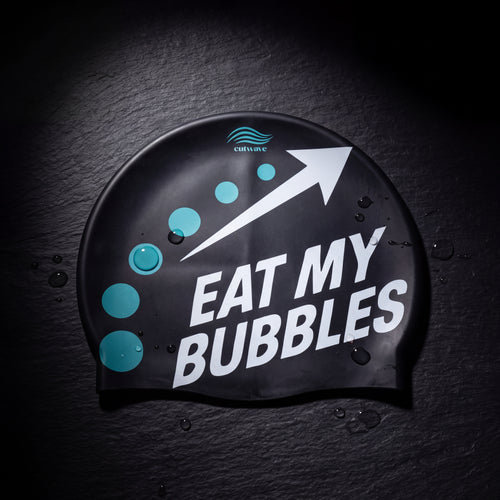
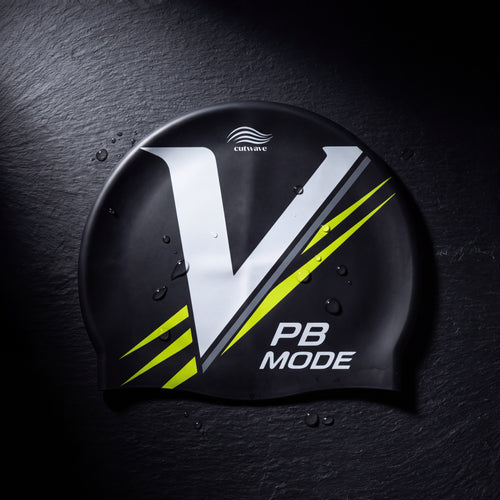
The cap should feel snug, not punishing. If it immediately causes sharp pressure, rolls upward or cannot cover your hair, do not assume you need to endure it. Use the swim cap size and fit guide to separate a normal close fit from the wrong cap. If you need one for regular lessons, CutWave's silicone swim cap collection gives you straightforward training options without pretending a cap can keep hair completely dry.
Check the facility details before you leave home
The gear list changes less than the building rules. Look up the details that create last-minute nonsense:
- Does the locker need a coin, token, padlock, wristband or app?
- Are showers available, and do you need to bring soap?
- Is a cap mandatory for all swimmers or only for longer hair?
- Are outdoor shoes banned beyond a marked point?
- How early can you enter the changing area?
- Where should you meet the instructor?
- Can a carer or support person enter if needed?
If the website is vague, call reception. Five minutes of mildly tedious preparation beats trying to buy a padlock from a vending machine while your class starts.
Pack for the lesson in the order you will use things
A good swim bag is not the biggest one; it is the one you can operate while nervous, wet and short on time. Put the locker item and pool shoes near the top. Keep goggles and cap together in a small pocket. Put the towel where you can reach it without emptying everything onto a wet bench. Dry clothes go in a separate compartment or bag.
After the lesson, reverse the system. Wet swimwear, cap and towel go into the separate bag. Open that bag as soon as you get home. Rinse the cap in fresh water, wash it gently by hand and let it air-dry flat; our guide to cleaning and storing a silicone swim cap covers the full routine.
What not to bring unless the instructor asks
Leave training aids at home unless they appear in the lesson information. Fins, hand paddles, snorkels, pull buoys and kickboards have specific uses, but they are not a first-day admission ticket. Ask whether the facility supplies any aids used in class before buying your own; otherwise you create more objects to label, carry and accidentally leave behind.
Also skip valuables you do not need. Remove jewellery that can snag swimwear or a cap, and leave expensive electronics out of the wet area where possible. If you use medication or accessibility equipment, that is different: bring what you need and tell the instructor privately about anything that changes how you enter, exit or work in the water.
A calm ten-minute arrival routine
- Arrive 15 to 20 minutes early. New buildings consume time with reception, lockers and finding the correct pool.
- Use the toilet before changing. Glamorous advice, but useful.
- Change and secure your belongings. Keep the locker key or wristband somewhere it cannot interfere with swimming.
- Put on goggles and cap without rushing. If the cap is fighting back, ask the instructor for help rather than tearing at it.
- Meet at the stated location. Do not enter deep water early unless staff instruct you to.
- Tell the instructor your starting point. Say plainly if you cannot float, dislike putting your face in, or had a frightening water experience. That information is useful, not embarrassing.
Your first lesson is allowed to be basic. Learning where to stand, how to breathe out and how the class works is progress. The bag merely makes sure forgotten goggles or an absurd locker system do not become the main event.
FAQ: first adult swim lesson gear
Is a swim cap required for adult swimming lessons?
Not at every pool. Some facilities require caps, while others recommend them mainly for longer hair. Check the venue's policy before class. A cap is useful for containing hair, but it does not keep hair completely dry.
Can I attend my first lesson without goggles?
Yes, but goggles usually make underwater practice more comfortable and easier to see. Bring a basic adjustable pair if possible and test the fit before class rather than overtightening the strap at the pool.
Do I need to buy fins or a kickboard?
No, unless the instructor specifically requests them. Ask the facility if it supplies any lesson equipment before you buy it. Start with the personal essentials and add training aids only when there is a clear reason.
What should I wear if I want more coverage?
Choose swim-specific clothing that stays secure and allows free movement. Ask the facility whether it accepts swim tops, leggings or modest swimwear; local rules matter more than generic advice.
How early should I arrive for my first adult swim lesson?
Aim for 15 to 20 minutes early. That leaves time for reception, an unfamiliar locker system, changing and finding the instructor without starting the lesson already flustered.