



No. A swim cap covers your ears at best; it cannot seal the ear canal, so water still gets in. If you want dry ears, the tool is an ear plug, with a snug cap pulled over the top to hold it in place, followed by a quick drying routine after the swim.
That matters most if you are prone to swimmer's ear, the outer-ear irritation or infection that tends to follow water sitting in the ear canal. Below: why caps leak at the ears, which ear plugs suit which swimmer, the two-minute routine after the session, and the signs that make it a job for a doctor rather than a blog.
Why water gets past the cap
A swim cap is a stretchy dome. Its edge grips your forehead, the back of your head and the skin around your ears, but the ear itself is a bumpy shape with an open canal in the middle. Silicone cannot press into every fold, so small channels stay open, and every push-off, tumble turn and breath to the side sends water through them. That is normal, not a faulty cap or bad technique.
Pulling the cap tighter does not fix it. You get more pressure on your temples and the same damp ear canal; if you have tried that route, why a swim cap can give you a headache will sound familiar. What does help is a cap in the right size that sits evenly over both ears, because that is the cap that will hold ear plugs still. The swim cap size guide and the step-by-step guide to putting on a swim cap cover that part.
Short hair or a bald head adds one wrinkle: with nothing to grip, a cap is more likely to creep up off the ears during a session. The guide to swim caps for short hair or a bald head covers keeping it in place.
What actually keeps water out: plugs first, cap second
Ear plugs do the sealing; the cap's job is to stop them moving. The routine most regular swimmers settle on:
- Plugs in with dry fingers. Fit them before the changing-room shower, because mouldable plugs stick badly to wet skin.
- Snug, not deep. Press each plug until it seals comfortably. Never force anything far into the ear canal.
- Cap over the top. Stretch the cap on so the edge covers both ears and pins the plugs in place.
- Check after one length. If you hear water sloshing, reseat the plug at the wall rather than hoping it settles.
Silicone and latex caps hold plugs better than fabric ones, which sit loosely and let water run straight through. The silicone swim cap guide explains the difference between the materials.
Which ear plugs suit which swimmer
| Type | How it seals | Good for | Watch out for |
|---|---|---|---|
| Mouldable silicone putty | Covers the opening of the canal rather than going in | Swimmers who dislike anything inside the ear | Loses stickiness with use; hair and wet fingers make it slide |
| Pre-formed silicone or rubber with soft flanges | Sits just inside the canal | Regular lap swimmers who want something easy to rinse and reuse | Fit depends on your canal size, so try more than one size |
| Wax, often mixed with cotton | Softens with body heat and moulds to the ear | Swimmers who want a very soft, close seal | Short-lived and can leave residue behind |
| Custom-moulded | Made from an impression of your ear by a hearing professional | Frequent swimmers and anyone with recurring ear problems | Costs more and needs an appointment |
Foam plugs made for sleeping are not designed for the pool and can soak up water, so leave them on the bedside table.
The two-minute drying routine
- Tilt and tug. Tilt your head towards the wet side and gently tug the earlobe in a few directions to let trapped water run out.
- Towel the outer ear only. Dry the folds and the opening, and stop there.
- Low and slow with a hair dryer. If water still feels stuck, a hair dryer on its lowest, coolest setting, held well away from your ear for a few seconds, can help.
- Ask before using drops. Drying drops are sold over the counter in many countries. Ask a pharmacist first, and do not use them if you have grommets or a damaged eardrum.
- Clean your kit. Rinse reusable plugs in clean water, let them air dry and keep them in their case. Rinse the cap too and let it air dry; how to clean and store a silicone swim cap has the details.
Swimmer's ear: when to see a doctor
Swimmer's ear (otitis externa) is an inflammation of the skin lining the outer ear canal. Water that sits in the canal softens that skin and makes it easier for irritation or infection to take hold, which is why it is common among people who swim a lot. It is not something to diagnose on the pool deck, and this guide does not try to.
See a doctor or pharmacist if you notice any of these:
- ear pain, especially when you touch or pull the outer ear
- discharge or fluid coming out of the ear
- itching, swelling or redness in or around the ear canal that does not settle
- muffled hearing or a blocked feeling that lasts more than a day or so
- a fever, severe pain, or ear trouble that keeps coming back
Until someone has had a look, keep the ear dry and do not put anything into it. A cap will not help an ear that is already sore, and neither will a heroic 5 km set.
Open water and cold water
Cold water gives you a second reason to look after your ears. People who swim or surf in cold water and wind for years can develop surfer's ear, a slow bony narrowing of the ear canal. Ear plugs and, in the colder months, a neoprene cap or hood that covers the ears are the usual precautions. If your hearing changes or water keeps getting trapped, that is a question for an ear, nose and throat (ENT) specialist. For choosing an outdoor cap, see the open water swim cap guide.
Where the cap still earns its place
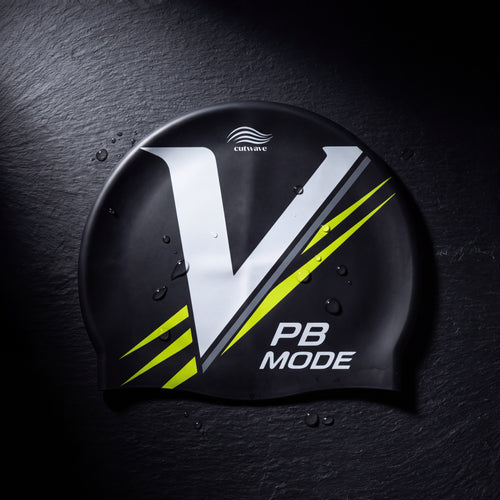
The cap is still the second half of the system. It holds the plugs, keeps hair out of your eyes and goggle strap, and satisfies the pool rules, which exist for hair and hygiene rather than ears; why swimming pools require swim caps explains them. Any snug silicone cap does the plug-holding job. If you would like one with some lane humour printed on it, CutWave caps are 100% premium silicone and designed in Austria: browse the CutWave cap designs.
Related guide: why water polo caps use ear guards
FAQ
Should the cap go over or behind my ears?
Over the ears suits most lap swimmers: the cap sits more evenly, holds ear plugs in place and keeps hair tidier. Some swimmers prefer their ears out so they can hear the coach. Neither position keeps the ear canal dry on its own.
Will ear plugs stop me hearing the coach?
They muffle sound, so expect to hear less. Many swimmers lift the cap edge or ease one plug out at the wall while the set is explained, then reseat it before pushing off.
Can I use cotton buds to dry my ears after a swim?
Best not. Cotton buds can push wax and water further in and scratch the skin of the ear canal, which is the opposite of what you want. Dry the outer ear with a towel and let gravity do the rest.
Can children wear ear plugs for swimming?
Yes, many do. Mouldable putty plugs suit small ears because they cover the opening instead of going in, and a cap over the top stops them wandering off in lessons. If a child has grommets or keeps getting ear infections, follow the doctor's advice on swimming.